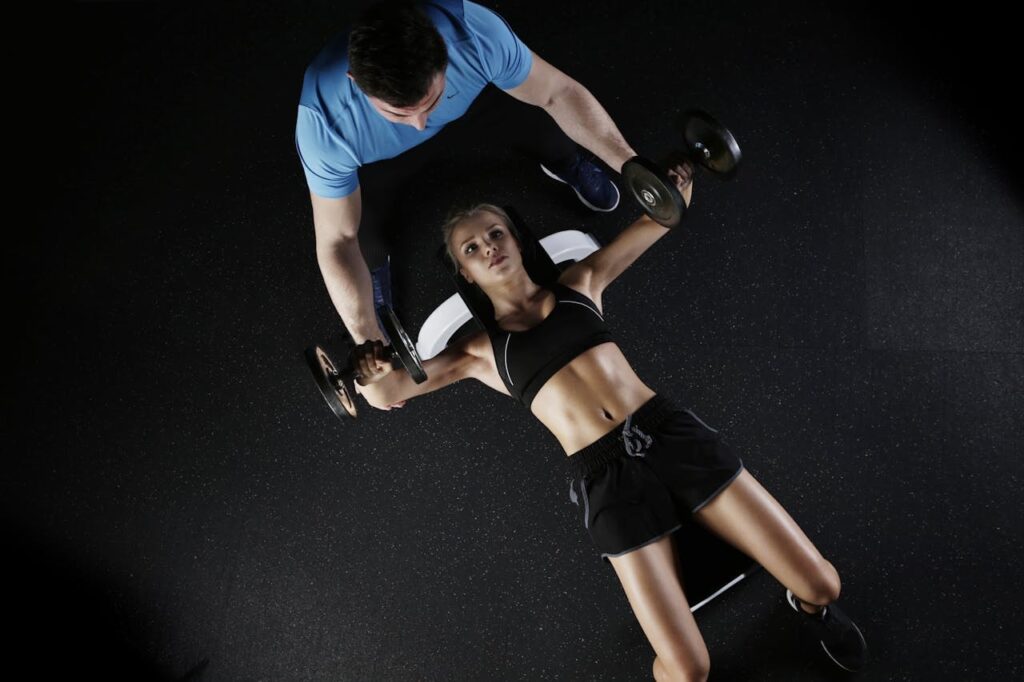
You are halfway through an overhead press when your shoulder starts to feel off. Not the normal muscle burn. More like a sharp pinch at the top, or a deep ache that does not go away after you rack the bar. You finish the set anyway, hoping it is nothing. The next morning, rolling onto …
Weightlifting Rotator Cuff Injury: Exercises To Avoid And Safer Alternatives
Adam Babcock
January 20, 2026
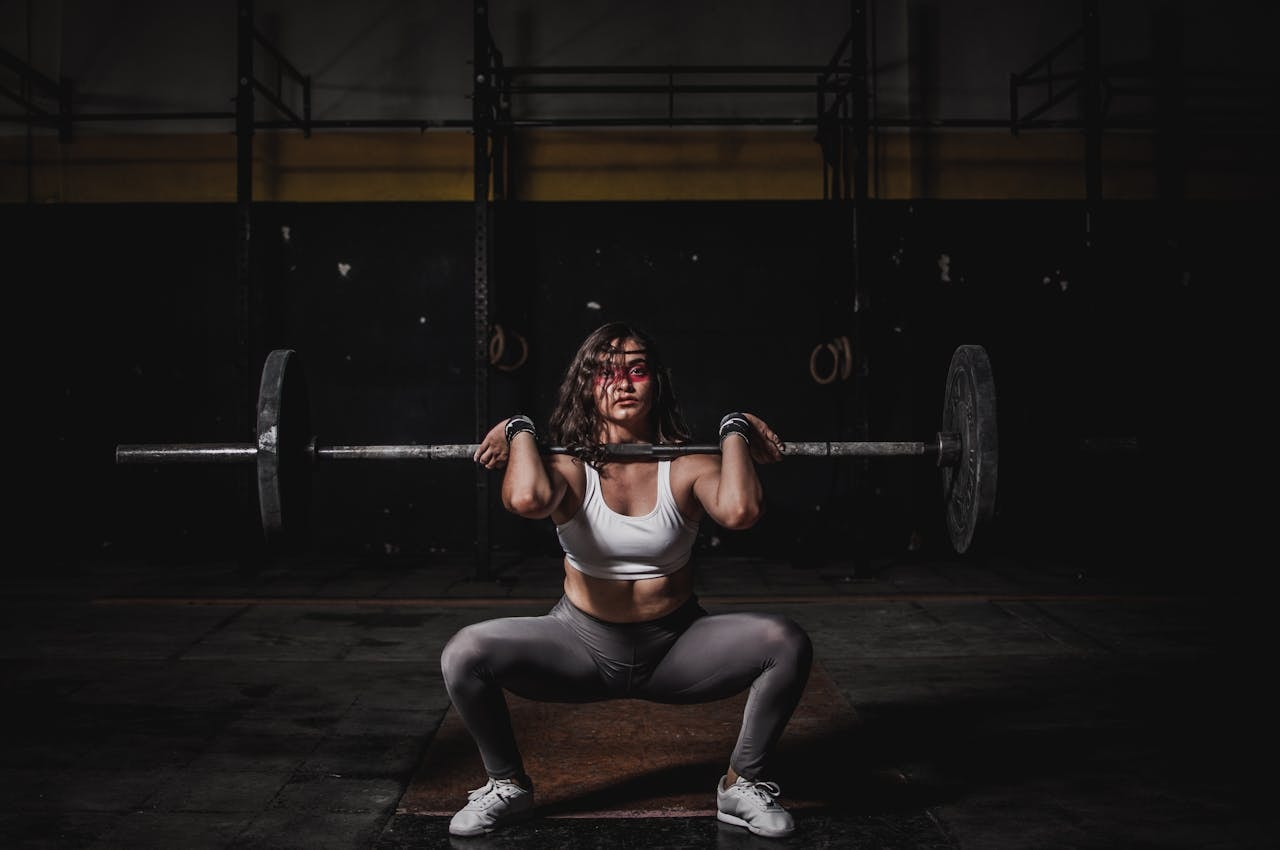
You are halfway through an overhead press when your shoulder starts to feel off. Not the normal muscle burn. More like a sharp pinch at the top, or a deep ache that does not go away after you rack the bar. You finish the set anyway, hoping it is nothing. The next morning, rolling onto that shoulder wakes you up.
Rotator cuff injuries are among the most common shoulder problems that show up in lifters. These injuries are becoming more prevalent as a result of an ageing population, but they also affect athletes, laborers who make repetitive movements, and those who suffer traumatic falls. The good news is that most active adults dealing with this kind of pain do not need to give up the gym. They need a smarter plan.
This article will answer three questions: what should you stop right now, what can you modify, and what safer alternatives can you try this week to keep training while your shoulder calms down. We’ll also cover when it’s time to get help and what physical therapy actually looks like for people who want to stay strong.
At Sustain Physical Therapy, our team works with lifters and active adults every day. This post is written for people who want to get back to pressing, pulling, and lifting heavy not those content to sit on the sideline for months.
What Is The Rotator Cuff And Why Lifters Injure It
The rotator cuff consists of four small muscles and their tendons that wrap around the shoulder joint. These muscles the supraspinatus, infraspinatus, teres minor, and subscapularis attach the upper arm bone to the shoulder socket. Their main job is to stabilize the ball-and-socket joint while your bigger muscles do the heavy lifting.
When you press a barbell overhead or row a dumbbell to your hip, the rotator cuff muscles keep the head of the upper arm bone centered in the socket. Without them working properly, heavy loads can shift the shoulder joint into positions that cause pain, pinching, or tissue damage over time.
Lifters tend to overload the cuff in a few common ways:
Aggressive overhead work with poor bar path
Wide-grip bench pressing that flares the elbows
Heavy dips that drop the shoulder into deep extension
High-volume compound work without enough recovery
When the demands on these small stabilizers exceed their capacity, things start to hurt.
Not every shoulder injury in the gym is a torn rotator cuff. Many gym-related issues are tendon irritation or partial tears from cumulative overload, not complete ruptures. Understanding this spectrum helps you respond appropriately instead of panicking.
Common Signs Your Rotator Cuff Is Angry (Not Just “Normal Soreness”)

There’s a difference between muscle soreness after a hard session and pain that signals something deeper. Delayed onset muscle soreness from a challenging workout usually feels like generalized fatigue in the muscle belly. It fades over a day or two and doesn’t get worse with specific movements.
Rotator cuff pain often behaves differently. The symptoms may include:
Pain when laying on that shoulder at night (though this is not specific to rotator cuff pathology)
Weakness when lifting the arm
Painful arc discomfort between about 60 and 120 degrees of abduction, fading outside this range
Clicking or catching sensations with certain lifts
In the gym, this might show up as pain at the bottom of a bench press, right where the shoulder joint goes into deep stretch. Or a pinch at the top of an overhead press as you lock out. Some people notice a vague ache after heavy lateral raises that sticks around for hours.
Red Flags: When To Stop And Seek Medical Attention
Stop lifting and contact a medical professional right away if you experience:
Immediate loss of strength in the shoulder
Visible swelling, bruising, or deformity
Inability to lift your arm overhead at all
These situations require prompt evaluation, not a wait-and-see approach.
Avoid These Exercises (And What To Do Instead)
Pausing certain lifts temporarily can speed recovery. This isn’t about being overly cautious it’s about giving irritated tissue a window to calm down so you can rebuild without constant re-aggravation.
1. Heavy Overhead Barbell Presses
Why to avoid: Requires full arm elevation under load, compressing shoulder structures and demanding strong cuff stabilization. Poor form or limited thoracic mobility increases risk.
Swap: Landmine press or half-kneeling dumbbell press keep the shoulder in safer ranges with less internal rotation and allow better control of the weight forward.
2. Behind-The-Neck Presses And Pulldowns
Why to avoid: Force extreme external rotation and abduction, narrowing space for rotator cuff tendons beyond their natural range.
Swap: Front-of-body overhead presses and standard lat pulldowns to the chest reduce stress on the cuff while maintaining strength gains.
3. Upright Rows (Especially Heavy Or High)
Why to avoid: Narrow grip and high pull position compress the supraspinatus tendon, increasing impingement risk.
Swap: Face pulls or cable lateral raises in the scapular plane with elbows below shoulder height are great exercises to strengthen shoulder muscles without pinching.
4. Deep Bench Dips And Ring Dips
Why to avoid: Place shoulder in deep extension and internal rotation, pinching the front of the shoulder and irritating the cuff.
Swap: Incline push-ups or neutral-grip dumbbell floor presses keep the shoulder in safer positions and reduce strain.
5. Aggressive Kipping And High-Volume Overhead Metcons
Why to avoid: Fast, overhead-dominant movements with momentum and end-range traction overload the cuff rapidly.
Swap: Scale to strict, lower-volume pulling work and controlled overhead presses with lighter loads.
Shoulder-Friendly Exercise Menu
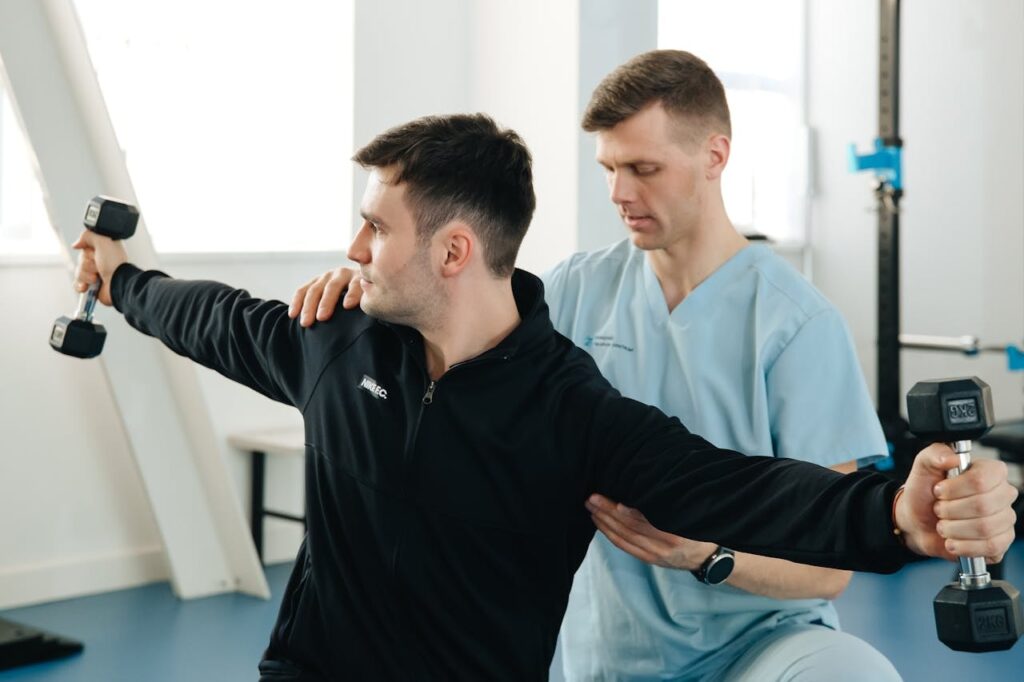
Keep training with these safer options that promote shoulder stability and mobility:
Supported Rowing Variations: Chest-supported rows, one-arm dumbbell rows with the foot opposite knee on bench, and cable rows with a neutral grip. Pull toward your ribs with controlled tempo and feet shoulder width apart.
Push-Up Progressions: Wall or incline push-ups progressing to floor push-ups as tolerated, focusing on controlled movement and pain-free ranges.
Dumbbell and Landmine Presses: Neutral grip presses on a slight incline or half-kneeling position, keeping elbows slightly in front of the body line.
Rotator Cuff and Scapular Control Warm-Ups: Side-lying external rotation, banded external rotation, banded “W” pulls, and low-angle Y or T raises to activate muscles gently.
Doorway Stretch: Stretches the pecs and anterior shoulder, helping relieve front-of-shoulder tightness and improve mobility.
High to Low Rows and Lawn Mower Pulls: Use resistance bands secured above shoulder height for high to low rows and on the ground for lawn mower pulls. These exercises improve scapular mechanics and posterior shoulder tolerance.
Reverse Flys: Use dumbbells to engage shoulder muscles without straining the rotator cuff.
Stoplight Guide: Pain-Based Lifting Decisions
Use this simple guide to decide when to push through and when to stop:
Pain During Exercise
Green Light: Pain is absent or very mild (below 3/10) and does not worsen during the set safe to continue.
Yellow Light: Pain is noticeable but tolerable (around 3/10), does not increase with reps proceed with caution, modify as needed.
Red Light: Sharp or severe pain, worsening with movement stop immediately and reassess.
Pain After Exercise (Within 24 Hours)
Green Light: No increase in pain or stiffness; normal muscle soreness only continue program.
Yellow Light: Mild increase in discomfort or stiffness that resolves within 24 hours reduce load or volume next session.
Red Light: Significant increase in pain, weakness, or reduced range of motion lasting more than 24 hours rest and consider consulting a professional.
What To Do Now If You Suspect A Weightlifting Rotator Cuff Injury
Reduce or stop movements that reliably provoke pain (e.g., heavy overhead presses, deep bench work).
Modify exercises to stay within a pain-limited range (aim for pain ≤ 3/10).
Maintain training with pain-free lower body, core, and cardio exercises.
Use cold packs for acute pain management in the first 24–72 hours; consider heat for muscle soreness and stiffness.
Add gentle daily shoulder mobility and rotator cuff activation exercises.
Consult a health care provider or physical therapist specializing in rotator cuff injuries if pain persists beyond 1–2 weeks or limits daily activities.
Return To Lifting And Prevention Tips
Getting back under the bar safely involves smart technique, volume control, and gradual progression.
Technique Tweaks
Elbows in scapular plane: Keep elbows slightly forward of the body line to reduce impingement risk.
Neutral grip options: Use neutral or semi-neutral grips on presses and rows to minimize internal rotation stress.
Control tempo: Slow, controlled movements reduce momentum and help maintain proper form.
Volume Rules
Reduce total sets initially.
Keep reps smooth and avoid pushing to failure early in recovery.
Prioritize quality over quantity to allow healing.
Progression Example
Start with landmine presses, progress to dumbbell presses, and only return to barbell overhead presses if symptoms stay green and pain-free.
Increase weight gradually and listen to your body.
Prevention
Warm up thoroughly, including rotator cuff and scapular activation.
Maintain balanced strength between shoulder muscles.
Avoid sudden increases in training volume or intensity.
Ensure proper lifting technique and adequate rest.
How Physical Therapy Helps Lifters Get Back Under The Bar
Physical therapy focuses on building a clear path back to your lifts not keeping you away indefinitely.
Our team starts with a detailed history and movement assessment, including strength testing of rotator cuff and scapular muscles and analysis of your lifting technique.
Rehab plans include:
Pain-free isometrics and light resistance work initially
Gradual progression to concentric and eccentric loading
Building back to heavier, more explosive patterns based on your shoulder’s response
It is totally safe to perform weight training if you have a rotator cuff tear, but you shouldn’t lift weights alone until you are cleared for regular activities by a doctor. Going back to weightlifting too quickly can result in re-injury or delayed healing.
This approach shortens time away from lifts and reduces chronic issues. Rehabilitation is essential regardless of treatment path.
Recovery Timeline: When Can You Lift Heavy Again?
Recovery varies depending on injury severity, anatomy, and adherence to rehab.
Minor irritation or partial tears often improve in 4–12 weeks with consistent rehab.
Full recovery after surgery may take 4–6 months or longer.
Post-surgical progression is guided by your surgeon and therapist.
Avoid rushing back to heavy lifting; gradual load increases and attention to pain response are key.
When To See A Pro: Physical Therapy And Beyond
Seek immediate care for red flags listed earlier.
For persistent or worsening pain beyond 2–3 weeks despite modifications, schedule an evaluation with a shoulder-savvy physical therapist.
Early intervention often leads to better outcomes and may reduce the need for surgery.
Surgical options for severe rotator cuff injuries include arthroscopic tendon repair and shoulder replacement for severe cases.
FAQs About Weightlifting And Rotator Cuff Injuries
Can I Keep Lifting With A Partial Rotator Cuff Tear?
Many people lift successfully with partial tears using appropriate modifications and professional guidance.
Should I Stop All Overhead Lifting Forever?
Usually not. Most lifters return to overhead work after addressing technique, load, and strength.
Is It Okay To Use Pain Meds Before Workouts?
Occasional use is generally fine, but regular reliance may mask symptoms and cause harm.
Do I Need An MRI Before Starting PT?
Not always. Skilled therapists can often diagnose through history and exam. MRI may help rule out serious tears.
Can I Train Lower Body And Opposite Arm While Rehabbing?
Yes. Pain-free lower body and contralateral training support overall fitness.
How Do I Know If My Rotator Cuff Tear Will Require Surgery?
Surgery is typically considered for full-thickness tears with significant functional loss after conservative care.
Is It Safe To Lift Weights With A Rotator Cuff Tear?
Safety depends on tear type, irritability, load, form, and medical guidance. Light weights may be acceptable under professional supervision.
Ready To Lift Without Shoulder Pain? How Sustain PT & Performance Can Help
If you’re dealing with shoulder pain affecting your training in Boston or nearby, Sustain Physical Therapy & Performance can help.
Our one-on-one shoulder and lifting assessments provide clarity and practical plans tailored to your goals. Book online or schedule a phone consult to start your journey back to pain-free lifting.
Conclusion
Managing a weightlifting rotator cuff injury means modifying or pausing movements that cause pain while maintaining smart training habits. Building rotator cuff and scapular muscle capacity through targeted exercises supports recovery and long-term shoulder health. If pain persists or worsens despite adjustments, seek assessment from a physical therapist or healthcare provider to develop a personalized plan. With the right approach, you can get back under the bar stronger and pain-free.
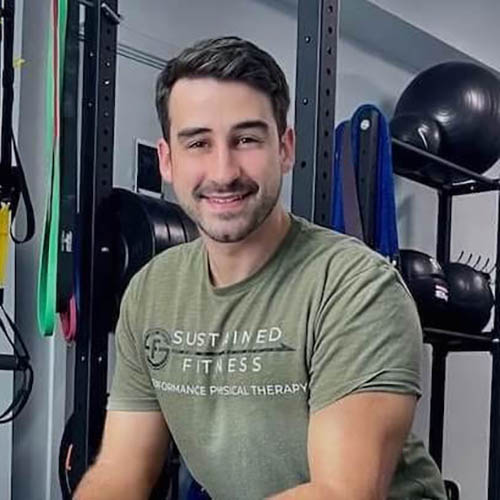
Sustain Physical Therapy and Performance
Dr. Adam Babcock PT, DPT
“We Help Active Adults Quickly Recover From Pain Or Injury So They Can Stay Active, Get Back To What They Love To Do, and Do It For Decades”