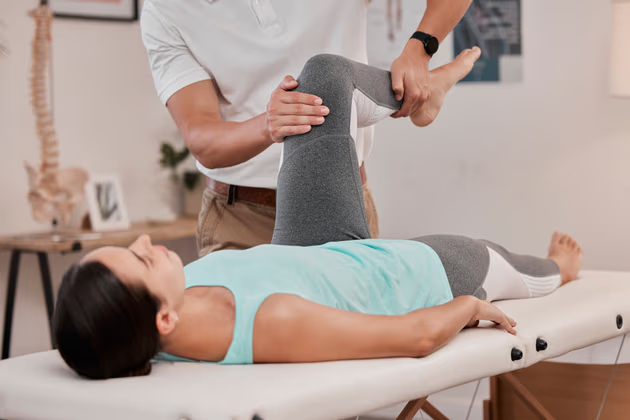
Hip pain is a common ailment that affects people of all ages, often stemming from various causes such as injury, arthritis, or overuse. This discomfort can significantly impact your daily activities and overall quality of life. Physical therapy exercises for hip pain are a proven method to alleviate hip pain, improve mobility, and strengthen the …
10 Best Exercises for Hip Pain: A Physical Therapy Guide
Adam Babcock
December 17, 2025

Hip pain is a common ailment that affects people of all ages, often stemming from various causes such as injury, arthritis, or overuse. This discomfort can significantly impact your daily activities and overall quality of life. Physical therapy exercises for hip pain are a proven method to alleviate hip pain, improve mobility, and strengthen the surrounding muscles.
Simple stretches and home exercises can also be effective components of a hip pain relief routine. In this article, we’ll explore some of the best exercises to help relieve hip pain and get you moving comfortably again.
Introduction to Hip Pain

Hip pain is a widespread concern that can disrupt daily life and limit your ability to move comfortably. Whether it’s caused by arthritis, bursitis, muscle imbalances, or simply sitting for long periods, hip pain can affect anyone. Poor posture, overuse, and weak hip muscles often contribute to discomfort and stiffness in the hip area. To relieve hip pain and restore mobility, it’s important to focus on exercises that stretch and strengthen the hip flexors, gluteal muscles, and other supporting muscles around the hip joint.
Gentle stretching and strength training exercises not only help relieve hip pain but also improve joint mobility, making everyday movements easier and less painful. Before starting any new exercise routine, especially if you’re dealing with ongoing or severe pain, consult a healthcare professional to ensure your approach is safe and effective for your specific needs.
Understanding Hip Anatomy
The hip joint is one of the body’s largest and most important joints, designed to support your weight and allow for a wide range of motion. It’s made up of bones, ligaments, and muscles that work together to keep you moving smoothly. The hip flexors, located at the front of the hip, are essential for lifting your knee and stabilizing your pelvis during activities like walking and climbing stairs. On the back of the hip, the gluteal muscles play a key role in extending and rotating the hip joint, providing power and stability.
Understanding how these muscles function can help you choose the right exercises—such as knee lifts, leg swings, and seated butterfly stretches—to target and strengthen them. By focusing on both stretching and strengthening the hip flexors and gluteal muscles, you can improve joint mobility, reduce stiffness, and relieve hip pain, making it easier to stay active and pain-free.
Common Causes of Hip Pain
Understanding the common causes of hip pain is essential for effective treatment. In this section, we’ll explore the various factors that can lead to hip discomfort, from injuries to chronic conditions.
Arthritis: Osteoarthritis and rheumatoid arthritis are common in older adults, leading to the degeneration of the hip joint cartilage.
Injuries: Fractures, strains, and sprains can result from accidents or falls, affecting the hip muscles and joint integrity.
Bursitis: Inflammation of the bursae (small fluid-filled sacs) that cushion the hip joint, often known as trochanteric bursitis.
Tendinitis: Inflammation of the tendons around the hip due to overuse or repetitive movements.
Hip Labral Tear: Damage to the ring of cartilage (labrum) that follows the outside rim of the hip joint socket, causing pain and limited mobility.
Understanding these common causes can help in identifying the right physical therapy for hip pain and selecting appropriate exercises to address the specific issues.
Symptoms of Hip Pain
Hip pain is common in adults and often leads to functional disability. Among adults who play sports, the incidence of chronic hip pain ranges from 30 to 40 percent. For adults over the age of 60, the occurrence of hip pain is approximately 12 to 15 percent. Identifying the symptoms of hip pain can help in early diagnosis and treatment. Here are some of the most typical signs and symptoms that indicate hip issues, helping you recognize when to seek medical advice.
Discomfort in the hip joint, groin, thigh, or buttock
Stiffness or limited range of motion, making normal activities challenging
Swelling or tenderness around the hip
Pain that worsens with physical activity or prolonged sitting
Difficulty in performing movements involving the hip joint, such as bending, stretching, or walking
Recognizing these symptoms early and starting physical therapy for hip pain exercises can prevent further complications and improve overall hip health.
Benefits of Physical Therapy Exercises for Hip Pain
Physical therapy exercises offer numerous benefits for individuals suffering from hip pain, including pain relief, improved mobility, increased strength, better balance, and an enhanced quality of life. Research has demonstrated that exercise therapy has a beneficial effect on pain and function for those with hip osteoarthritis (OA). Incorporating these exercises into your routine can significantly improve your hip health.
Pain Relief: Gentle exercises and stretches can help relieve pain by reducing inflammation and alleviating discomfort.
Improved Mobility: Stretching exercises and strength exercises enhance flexibility and range of motion, promoting better hip mobility.
Increased Strength: Building muscle strength around the hip, including the quadriceps muscle and gluteus muscles, supports the joint and reduces stress.
Better Balance: Exercises can improve balance and prevent falls, especially in older adults, enhancing functional mobility.
Enhanced Quality of Life: With reduced pain and improved function, daily activities and normal activities become easier and more enjoyable.
Low-Impact Exercises for Hip Health
Low-impact exercises are an excellent way to maintain hip health and relieve hip pain without putting excessive stress on the hip joint. These gentle movements help strengthen the hip muscles, improve joint mobility, and reduce stiffness, making them ideal for people of all fitness levels. Activities like brisk walking, side shuffle, and mini squats can be performed with your feet shoulder width apart and knees slightly bent to ensure proper form and minimize strain.
Banded walks, using an exercise band around your thighs, are another effective way to activate the gluteal muscles and hip flexors while keeping the movement controlled and safe. When performing these exercises, focus on keeping your head straight, feet pointing straight ahead, and moving at a comfortable pace. Incorporating low-impact exercises into your routine can help ease hip pain, support healthy hips, and promote long-term joint mobility.
Core Strengthening Exercises for Hip Support
A strong core is essential for supporting the hip joint and maintaining overall stability during movement. Core strengthening exercises not only help relieve hip pain but also protect the hips from future injuries by improving balance and posture. Try incorporating exercises like the single leg glute bridge, where you keep one leg bent and the other leg straight while lifting your hips off the ground, engaging both your gluteal muscles and core.
The upper body fold, performed by sitting with your legs straight and gently folding forward from the hips, stretches the lower back and hip muscles while activating the core. Resistance training with an exercise band, such as banded side steps or standing knee lifts, can further enhance hip and core strength.
Remember to keep your feet flat, upper body straight, and core engaged throughout each movement. Gradually increase the number of repetitions as your strength improves, and always listen to your body to avoid pain or discomfort. By focusing on core strengthening exercises, you’ll provide your hips with the support they need to move freely and comfortably.
10 Physical Therapy Exercises for Hip Pain Relief
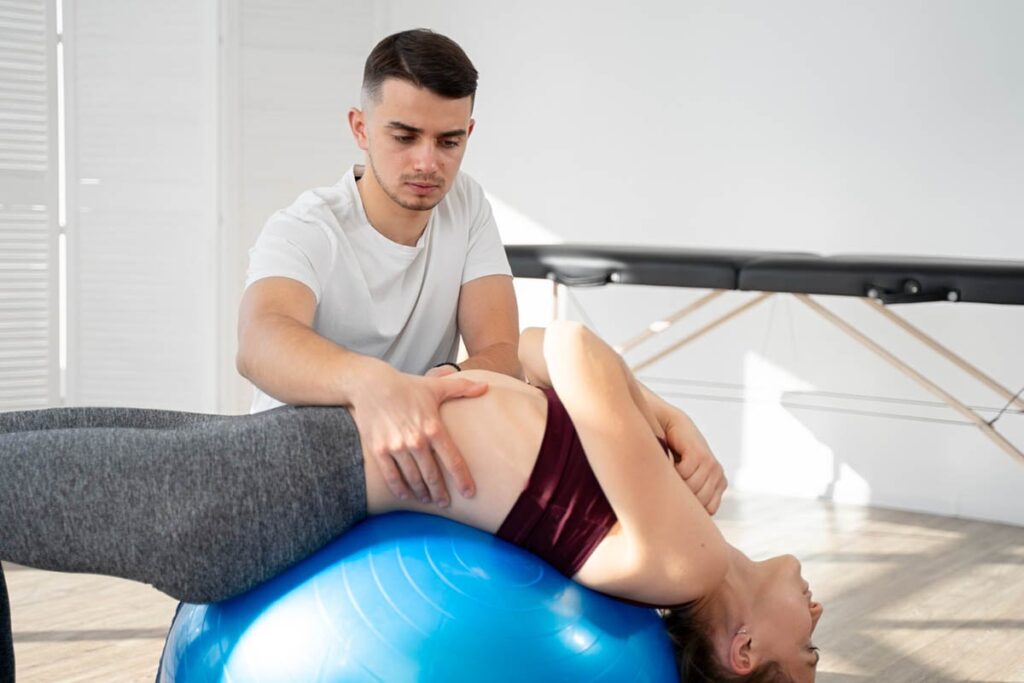
Discover effective physical therapy exercises specifically designed to relieve hip pain. We’ll provide detailed instructions and benefits for each exercise to help you integrate them into your routine.
1. Hip Flexor Stretch
Description: This exercise targets the hip flexors, which can become tight and cause pain.
Benefits: Improves flexibility and reduces tension in the hip flexors, promoting better functional mobility.
How-to Instructions:
Kneel on your right knee, with your left foot flat in front, forming a 90-degree angle.
Push your hips forward gently until you feel a gentle stretch in the front of your right hip.
To deepen the stretch, bring your front knee forward slightly. This helps target the hip flexors more effectively.
Keep your upper body straight and avoid arching your back.
Hold for 20-30 seconds, then switch sides. When your right knee is down, you should feel the stretch in your left hip, and vice versa.
Repeat 3 times on each side.
2. External Hip Rotation
Description: This exercise helps improve the external rotation of the hip, targeting the hip rotator muscles.
Benefits: Enhances hip flexibility and mobility, reducing discomfort during movement.
How-to Instructions:
Sit on the floor with your legs extended.
Bend your right knee and place your right foot on the floor next to your left knee.
Use your right hand to gently push your right knee outward, feeling a stretch in the hip.
Hold for 20-30 seconds, then switch sides.
Repeat 3 times on each side.
3. Double Hip Rotation
Description: The double hip rotations stretch targets both hips simultaneously, improving overall hip flexibility.
Benefits: Increases flexibility and relieves tension in the hip joints, promoting better Hip Mobility.
How-to Instructions:
Lie on your back with your knees bent and feet flat on the floor.
Slowly lower both knees to one side, keeping your shoulders on the floor.
Hold for 20-30 seconds, then return to the starting position and switch sides.
Repeat 3 times on each side.
4. Hip Flexion
Description: This exercise strengthens the hip flexor muscles, which are crucial for many movements.
Benefits: Builds muscle strength and improves hip function, supporting the hip joint.
How-to Instructions:
Sit on a chair with your feet flat on the floor.
Lift one knee towards your chest without leaning backward, engaging your core and upper body.
Hold for a few seconds, then lower your leg.
Repeat 10-15 times on each side.
5. Bridge
Description: This exercise targets the glutes and lower back muscles, including the gluteus maximus muscles.
Benefits: Strengthens the hip and lower back muscles, improving stability and reducing pain.
How-to Instructions:
Lie on your back with your knees bent and feet flat on the floor.
Lift your hips towards the ceiling, squeezing your glutes.
Keep your upper body relaxed and your feet flat on the floor.
Hold for a few seconds, then lower your hips back to the floor.
Repeat 10-15 times.
6. Hamstring Stretch
Description: This stretch targets the hamstring muscles at the back of the thigh, which can impact hip pain.
Benefits: Increases flexibility and reduces tension in the hamstrings, aiding in hip pain relief.
How-to Instructions:
Sit on the floor with your left leg straight and your right leg bent, foot against the inner thigh.
Reach towards your left foot, keeping your back straight.
You should feel a stretch in your left thigh when your left leg is straight. Hold for 20-30 seconds.
Switch sides and repeat 3 times on each side.
7. Piriformis Stretch
Description: This exercise targets the piriformis muscle, which can contribute to hip pain and sciatica.
Benefits: Relieves tension and reduces sciatic nerve pain, improving overall hip function.
How-to Instructions:
Lie on your back with your knees bent.
Start by crossing your right ankle over your left knee.
Pull the opposite leg (left leg) towards your chest until you feel a stretch in your hip.
Hold for 20-30 seconds, then switch sides.
Repeat 3 times on each side.
8. Straight Leg Raising
Description: This exercise strengthens the quadriceps and hip flexors, supporting the hip joint.
Benefits: Builds muscle strength and improves hip function, reducing pain and improving mobility.
How-to Instructions:
Lie on your back with your left leg straight and your right leg bent.
Lift the left leg to the height of the bent knee, keeping your foot flexed.
Hold for a few seconds, then lower your leg.
Repeat 10-15 times on each side.
9. Chair Stand
Description: This exercise strengthens the muscles around the hip and improves balance, essential for daily activities.
Benefits: Enhances muscle strength and stability, promoting better functional mobility.
How-to Instructions:
Sit on a chair with your feet flat on the floor.
Stand up slowly, without using your hands for support, engaging your core and gluteal muscles.
Sit back down slowly.
Repeat 10-15 times.
10. Clamshell Exercise
Description: This exercise targets the gluteus medius muscle, which plays a key role in hip stability.
Benefits: Strengthens the hip abductors and improves hip stability, reducing pain and improving movement patterns.
How-to Instructions:
Lie on your side with your legs bent at a 90-degree angle.
Keeping your feet together, lift your top knee as high as you can without rotating your hips.
Hold for a few seconds, then lower your knee.
Repeat 10-15 times on each side.
Tips for Success and Safety

To get the most out of your hip pain exercises, it’s crucial to follow some essential tips for success and safety. This section will offer practical advice to ensure you perform the exercises correctly and avoid injury.
Warm-Up: Always start with a warm-up to prepare your muscles and joints for exercise. This can include light physical activity such as walking or gentle stretching.
Start Slowly: Begin with gentle exercises and gradually increase intensity as your strength and flexibility improve. Start with fewer repetitions and gradually work up to more repetitions as you get stronger. This approach helps prevent injury and ensures steady progress.
Listen to Your Body: Avoid exercises that cause pain or discomfort. It’s important to differentiate between the discomfort of stretching and actual pain.
Temporary Discomfort: Experiencing temporary discomfort during stretching is normal, but you should stop if you feel sharp or worsening pain.
Warm Shower: Performing stretches after a warm shower can help reduce stiffness and improve flexibility, as muscles are more relaxed.
Consistency is Key: Regular practice is essential for long-term relief and improvement. Aim to incorporate these exercises into your daily routine for the best results.
Use Proper Form: Ensuring correct form during exercises helps maximize benefits and prevent injuries. Gently lower your limbs during movements to prevent strain. If needed, consult a physical therapist to guide you.
When to See a Doctor for Hip Pain
While physical therapy exercises for hip pain can be very effective, it’s important to consult a doctor if you experience any of the following:
Severe or persistent pain that doesn’t improve with exercises
Swelling or redness around the hip joint, which could indicate an infection or other serious issue
Difficulty walking or bearing weight on the affected leg, as this may indicate a more severe problem
Symptoms that do not improve with exercise and rest, warranting a more comprehensive medical evaluation
Seeking professional medical advice ensures that any underlying conditions are properly diagnosed and treated.
Conclusion
Physical therapy exercises for hip pain are a powerful tool in managing and alleviating hip pain. Incorporating these exercises into your daily routine can significantly improve your mobility, strength, and overall quality of life. Remember to perform these exercises regularly and consult with a healthcare professional if you experience any persistent issues.
At Sustain Physical Therapy and Performance, we specialize in providing comprehensive and personalized hip pain treatment to help you regain your mobility and live pain-free. Our expert team combines the latest physical therapy exercises with cutting-edge techniques to ensure effective and lasting results. Whether you’re an athlete weighing the benefits of sports medicine vs physical therapy, or an active adult seeking relief from chronic hip pain, our tailored approach addresses your unique needs and goals, helping you sustain peak performance and optimal health.
FAQ'S
What therapy is best for hip pain?
The best therapy for hip pain depends on the underlying cause. Physical therapy for hip pain exercises, manual therapy, and modalities like heat or ice therapy are often effective. It’s important to consult with a healthcare provider to determine the most appropriate treatment for your specific condition.
What can physical therapy do for hip pain?
Physical therapy for hip joint pain can help reduce pain, improve mobility, strengthen muscles, and enhance overall hip function. A physical therapist can develop a customized exercise program tailored to your needs and goals, incorporating therapeutic exercises that target specific areas.
What is the best exercise for hip pain?
There isn’t a single best exercise for hip pain, as it depends on the individual’s condition. However, exercises like hip flexor stretches, bridge exercise, and clamshell exercises are commonly recommended to relieve hip pain and improve function. These exercises target various muscle groups, including the gluteal muscles and quadriceps muscle, to support the hip joint and enhance mobility.

Sustain Physical Therapy and Performance
Dr. Adam Babcock PT, DPT
“We Help Active Adults Quickly Recover From Pain Or Injury So They Can Stay Active, Get Back To What They Love To Do, and Do It For Decades”