Understanding Colon Pain That Radiates to Your Lower Back Sometimes gut or abdominal issues can mimic low back pain. This happens because the colon and lower back share nerve pathways, causing discomfort in one area to be felt in the other. While most lower back pain in active individuals is related to muscles and joints, …

Understanding Colon Pain That Radiates to Your Lower Back
Sometimes gut or abdominal issues can mimic low back pain. This happens because the colon and lower back share nerve pathways, causing discomfort in one area to be felt in the other. While most lower back pain in active individuals is related to muscles and joints, digestive system issues can sometimes play a significant role.
Colon pain lower back discomfort can arise from colon and bowel causes such as constipation, irritable bowel syndrome (IBS), diverticulitis, bowel obstruction, inflammatory bowel disease (IBD), and colorectal cancer. Other abdominal or pelvic conditions like kidney stones or appendicitis may feel similar but are not colon conditions.
Fortunately, the majority of causes for colon-related back pain are treatable and not indicative of serious conditions like cancer or emergencies. This article will help you understand the potential causes, recognize when to seek medical advice, and explore treatment options to help you return to your daily activities with confidence.
What Colon-Related Lower Back Pain Usually Is (And Is Not)
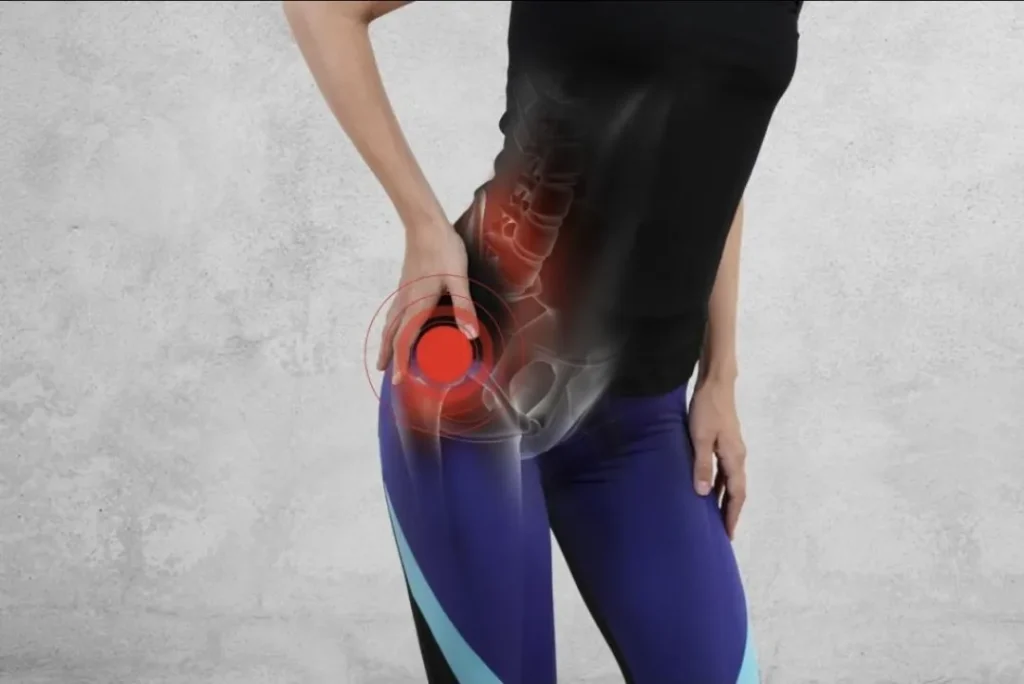
When people talk about colon pain referring to the lower back, they mean discomfort that starts in the large intestine but feels like it is coming from the spine or sacrum. This happens because the gut and lower back share nerve routes into the spinal cord. Your brain can misinterpret where the signal is coming from, sometimes causing nerve pain that feels like it originates in the spine.
The most common causes are not serious. Frequent constipation, irritable bowel syndrome (IBS), gas buildup, and general gut irritation can all create pressure, abdominal cramping, and discomfort that radiates into the back. These often cause chronic pain that is frustrating but manageable.
Less commonly, inflammatory disease, infection, or cancer can be involved, especially when red flags or risk factors are present. It is important to consult medical professionals if symptoms worsen or persist.
Here is a practical decision tree to help you assess your symptoms:
- Likely gut-driven: Pain tied to meals, bloating, bowel movements, or constipation relief after bowel movements.
- Likely mechanical back: Pain worsens with bending, lifting, sitting; improves with walking or position changes; no bowel changes.
- Needs medical evaluation now: Presence of red flags such as fever with severe abdominal pain, blood in stool, inability to pass gas or stool, hard distended belly, fainting, severe dehydration, new neurological deficits, or bowel/bladder changes.
If you are unsure, starting with your primary care provider or GI specialist plus a physical therapy evaluation is often the safest approach.
How Referred Pain Works
Referred pain can happen because organs and the low back share overlapping nerve inputs. Not everyone experiences this, but when it occurs, pain from the colon or bowel may be felt in the lower back or sacral area. This overlap can make it challenging to pinpoint the exact source of discomfort.
Common Colon-Related Causes
Constipation
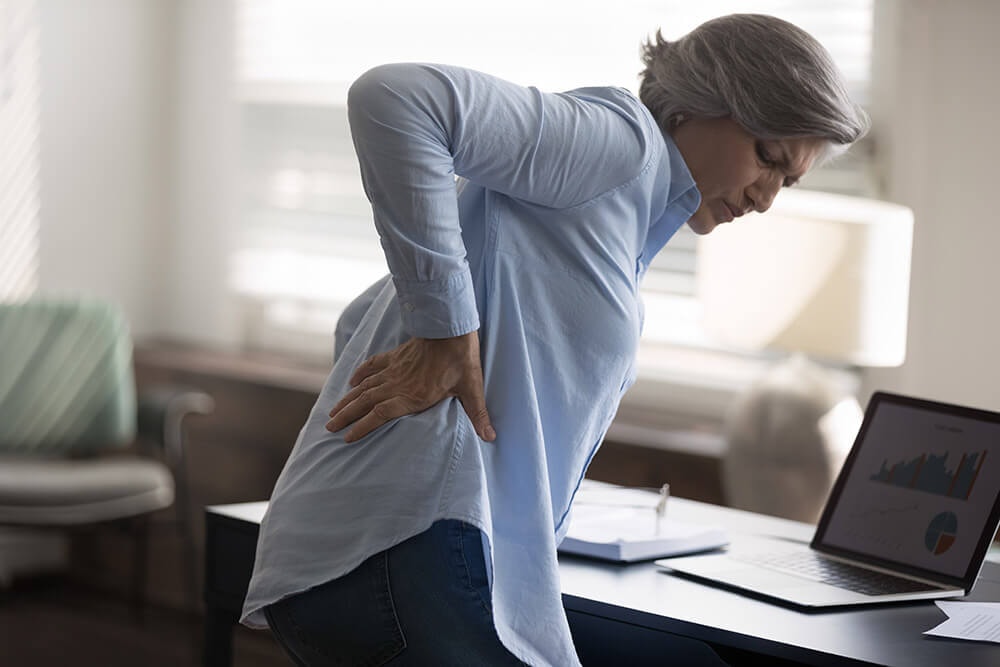
Constipation is one of the most frequent causes of colon-related back pain. When stool builds up in the colon, it stretches the intestinal walls, creating pressure that can radiate into your sacrum and lower abdomen. The discomfort is usually a dull ache rather than sharp pain. Triggers include low fiber intake, inadequate hydration, prolonged sitting, travel, certain medications, and dietary changes. Severe buildup of hard stool can cause pressure on nerves, sometimes leading to pain radiating down the leg. Straining to have a bowel movement may engage back muscles, creating a feedback loop of pain.
Gas and Bloating
Gas buildup can cause abdominal distention and pressure that radiates to the lower back. This pressure can cause surrounding muscles, including those in the lower back, to tense up as a protective response, leading to aching or stiffness.
Irritable Bowel Syndrome (IBS)
IBS involves abdominal cramping, bloating, gas, and changes in bowel movements that come and go. The cramping and inflammation can create deep abdominal pain that refers as a band-like tension across the low back. Stress, irregular meals, and certain foods often trigger flares. Lifestyle factors like poor sleep and high work pressure can contribute to symptom persistence. Managing IBS-related back pain involves addressing dietary triggers, stress management techniques, and sometimes medication.
Diverticulitis
Diverticulitis occurs when small pouches in the colon become inflamed or infected. It typically causes left lower abdominal pain, which can radiate to the lower back. Fever, tenderness, and changes in bowel habits may accompany the pain. This condition requires prompt medical evaluation and treatment.
Less Common, Higher Concern Causes
When colon pain and lower back pain occur together, most causes are benign and manageable. However, some less common conditions require prompt attention due to their potential seriousness. Understanding these higher concern causes can help you recognize when to seek medical advice and ensure timely treatment.
Inflammatory Bowel Disease (IBD)
IBD, including Crohn’s disease and ulcerative colitis, involves chronic inflammation of the digestive tract. Symptoms include diarrhea, cramping, and abdominal pain. IBD can also cause joint and spine pain through enteropathic arthritis, leading to inflammation in areas like the sacroiliac joints. Management often involves medications and dietary changes.
Bowel Obstruction and Fecal Impaction
These conditions cause severe, constant pain with abdominal distention, nausea, and vomiting. Pain can be felt in the back as well as the lower abdomen. If you cannot pass gas or stool and your abdomen is hard and swollen, seek immediate medical care.
Colorectal Cancer
Many early cases of colorectal cancer have few or no symptoms. Pain and back pain are not common early signals, which is why screening is important. Back pain from colorectal cancer typically appears alongside other symptoms such as blood in stool, unexplained weight loss, anemia, and major changes in bowel habits. When cancer cells spread to the spine or pelvis, they can irritate nerves and cause radiating pain. These late-stage presentations are less common but serious.
When It Is Probably Your Back, Not Your Gut
Simple mechanical back pain often worsens with bending, lifting, or prolonged sitting and improves with walking or changes in position. There are usually no changes in bowel habits or gut symptoms. A physical examination by a healthcare provider or physical therapist can help clarify the source.
What To Do Right Now If You Have Colon Pain And Lower Back Pain
Step 1: Track your symptoms
Spend 2 to 3 days noting pain location, bowel movements, presence of blood in stool, fever, weight changes, and symptom triggers or relievers. This medical history helps healthcare providers.
Step 2: Screen for red flags
Seek urgent care if you have:
- Fever with severe abdominal pain
- Blood in stool or internal bleeding signs
- Inability to pass gas or stool with a hard, distended belly
- New numbness, tingling, or weakness in legs
- Sudden loss of bowel or bladder control
- Sudden unexplained weight loss
- Severe, worsening pain
Step 3: Make gentle short-term changes
Engage in light physical activity like walking. Avoid heavy lifting or intense exercise until symptoms clarify. Increase water intake steadily to maintain pale yellow urine, and consume easy-to-digest foods. Avoid large meals late at night.
Step 4: Test simple position changes
Try positions that unload both spine and abdomen, such as lying on your back with knees bent, gentle child’s pose, or slow pelvic tilts. Note any changes in pain.
Step 5: Decide who to call
If you notice bowel changes, blood, or systemic symptoms, contact your primary care doctor or GI specialist. If pain worsens with movement or sitting, a physical therapy evaluation can help differentiate spine versus gut causes.
Treatment Options: From Home Strategies To PT And Medical Care

Lifestyle and Home Strategies
Hydration is important. Aim for steady fluid intake throughout the day to maintain pale yellow urine. If you have kidney or heart conditions, follow your clinician’s advice. Increase dietary fiber gradually to avoid worsening bloating. Incorporate regular movement breaks if sitting for long periods.
Using a heating pad on your lower back or belly may ease discomfort. If you have a family history of digestive issues or colon cancer, discussing a personalized treatment plan with your healthcare provider is essential. Imaging tests may be recommended to identify the exact cause of your symptoms.
Managing stress and maintaining a healthy lifestyle can significantly reduce the pain caused by digestive problems. Pay attention to any persistent urge to have bowel movements, as this could indicate an underlying condition requiring medical attention.
Medical Treatment
For constipation, stool softeners, fiber supplements, or prescription medications may be recommended. IBS treatment often includes dietary changes such as a low-FODMAP diet, stress management techniques, and medications to calm gut spasms. IBD requires specialized care with anti-inflammatory drugs and immune modulators. Infections need appropriate antibiotics.
Colorectal cancer treatment depends on the stage and may involve surgery, chemotherapy, or radiation. Early detection through screening is crucial.
Physical Therapy
Physical therapists assess lumbar range of motion, repeated motion tests, hip mobility, sacroiliac joint provocation, breathing and pressure management, and functional lifting patterns. PT can safely provide walking plans, gentle mobility exercises, symptom-calming positions, and graded return to lifting while medical workups are ongoing. Strategies to avoid Valsalva maneuvers during flares are also taught.
When To Stop Self-Treating and Seek Medical Advice
Seek medical care if you experience persistent blood in stool, fever, night sweats, progressive symptoms, unexplained anemia or fatigue, or pain that consistently wakes you at night without relief from position changes. If symptoms persist beyond 4 to 6 weeks despite reasonable self-care, consult a healthcare provider.
Recovery Timeline: How Long Until Colon-Related Low Back Pain Settles Down?
Recovery varies based on cause, age, activity level, and symptom duration.
- Constipation flare: Days to a couple of weeks with improved bowel habits and spinal irritation.
- IBS flare: Days to several weeks depending on trigger management.
- Post-obstruction or surgery: Weeks to months with gradual rehabilitation.
- Cancer-related pain: Depends on treatment response, focusing on function and comfort.
Improvement often begins with better sleep, less constant ache, and easier daily activities. Heavy lifting and intense exercise may take longer to resume.
FAQs About Colon Pain And Lower Back Pain
Can Colon Cancer Cause Lower Back Pain?
Yes, but it usually occurs with other symptoms like blood in stool, unexplained weight loss, abdominal pain, anemia, or significant bowel habit changes. Early colorectal cancer often has few symptoms, making screening important.
How Do I Know If My Back Pain Is From My Colon Or From My Spine?
Pain linked to meals, bowel movements, bloating, or gas suggests a gut cause. Pain worsened by bending, lifting, or sitting suggests a spinal cause. A healthcare provider can help clarify.
Can Constipation Alone Really Cause Bad Low Back Pain?
Yes. Stool buildup, gas, and straining can irritate gut and back muscles. Pain that worsens with constipation and improves after bowel movements suggests a gut role.
Is It Safe To Exercise With Colon-Related Back Pain?
Generally yes, with modifications. Gentle walking helps. Avoid heavy straining, maximal lifts, and breath-holding during flares. Consult your doctor before intense exercise if diagnosis is unclear.
What Tests Might My Doctor Order If They Are Worried?
Common tests include blood work for anemia or infection, stool tests for blood or inflammation, abdominal imaging, colonoscopy, and possibly spinal imaging if nerve involvement is suspected.
When Should I Go Straight To The ER Instead Of Waiting For An Appointment?
Go immediately if you have severe abdominal pain with a hard, swollen belly; cannot pass gas or stool; high fever; major rectal bleeding; sudden leg weakness; or loss of bowel or bladder control.
Getting Help Locally: How A PT Can Fit Into Your Care Team
Colon pain showing up in your lower back is common and usually manageable. A proper evaluation can sort out gut versus spine causes. Physical therapists perform detailed histories and movement tests to identify pain sources. They collaborate with your medical providers to ensure comprehensive care.
If you want help returning to activity without guessing what your pain means, consider scheduling an evaluation with a physical therapist near you or learn about physical therapy exercises for hip pain that can support your recovery. No pressure just a starting point to figure out what is going on and how to feel better.
Ready to take control of your pain and get back to the activities you love? Contact Sustain Fitness and Physical Therapy today to schedule your personalized evaluation and start your journey toward lasting relief and improved mobility. Your path to wellness begins here!
Medical Disclaimer: This article is educational and not a diagnosis. If you have red flags or worsening symptoms, seek medical care.