Understanding Cervicalgia Neck Pain Cervicalgia, commonly known as neck pain, is a widespread condition that can significantly impact daily life. It involves discomfort or pain in the cervical spine region, which includes the neck muscles, vertebrae, discs, and surrounding soft tissues. The neck contains seven vertebrae, a network of joints and discs, over a dozen …

Understanding Cervicalgia Neck Pain
Cervicalgia, commonly known as neck pain, is a widespread condition that can significantly impact daily life. It involves discomfort or pain in the cervical spine region, which includes the neck muscles, vertebrae, discs, and surrounding soft tissues. The neck contains seven vertebrae, a network of joints and discs, over a dozen muscles, and important nerves and blood vessels. This pain can range from a mild, persistent ache to sharp, radiating sensations that affect the shoulders, arms, or even the head.
Neck pain affects a significant portion of the population worldwide and is generally more common in women than men. The causes of cervicalgia are often multifactorial, including poor posture, muscle strain, repetitive movements, and age-related changes in the cervical spine. It can also result from injury, nerve compression, or underlying medical conditions such as rheumatoid arthritis or spinal stenosis. Regardless of the underlying cause, cervicalgia can interfere with routine activities such as working at a computer, driving, exercising, and sleeping.
Fortunately, most neck pain responds well to conservative neck pain treatment like physical therapy, lifestyle changes, ergonomic adjustments, and sometimes over-the-counter pain relievers. Many episodes improve within a few weeks, especially when you stay active and address the triggers. If symptoms persist past a few weeks, recur often, or travel into the arm, that’s a good time to get assessed. Understanding the nature of your neck pain and its contributing factors is the first step toward effective management and recovery.
Cervicalgia Explained: What It Is and What It Is Not
Cervicalgia is simply the medical term for pain in the neck region. It refers to discomfort originating in the cervical spine, which is the stack of seven vertebrae, discs, joints, muscles, ligaments, and nerves that make up your upper spine and support your head.
The pain can show up in different ways. Some people feel a deep ache across the tops of the shoulders. Others notice sharp pain when turning to look over a shoulder. Sometimes it travels, radiating into the head as a headache or down into the arm as tingling, numbness, or arm pain involving the affected nerves.
Cervical radiculopathy is usually due to compression or injury to a nerve root in the cervical spine, causing symptoms down the arm or upper extremities. This condition can be caused by cervical disc herniation or spinal stenosis. There is an important distinction between simple mechanical neck pain and something more involved like cervical radiculopathy or, very rarely, spinal cord compression. Most active adults dealing with neck stiffness and aching are in the mechanical camp, meaning the pain comes from how the muscles, joints, and soft tissues are handling load, not from something structurally dangerous.
Cervicalgia often gets confused with tension headaches, shoulder problems, or “just stress.” These can overlap. Tight muscles in the neck can trigger headaches. Stress can drive muscle tension. Shoulder issues can refer pain up into the neck. Sorting out the main driver is part of a good evaluation.
The reassuring reality is that most cervicalgia in active adults is related to posture, muscle overload, and movement habits. Age-related changes on imaging are common and do not always match pain. What matters is how your symptoms behave and how you move. Your neck is built to move and adapt. It just needs the right inputs. When symptoms persist, spine specialists can help identify the underlying cause and recommend appropriate neck pain treatment. In some cases, cervical manipulation might be considered as one option among others, but it is generally not the first-line approach. Shared decision-making and thorough screening are important to ensure safe and effective care. The focus remains on exercise, load management, and mobility work as primary strategies.
Symptoms and Causes: Why Your Neck Is Actually Hurting
Common Symptoms
- Local neck ache or stiffness, especially at the base of the skull or across the tops of the shoulders.
- Pain that worsens after sitting at a laptop, driving, or scrolling on a phone for long periods.
- Headaches that start in the neck or settle behind the eyes.
- Pain, tingling, or numbness that travels into the shoulder, arm, or hand.
- Feeling like the neck is “stuck” when looking over the shoulder during driving or sport.
Common Causes and Triggers
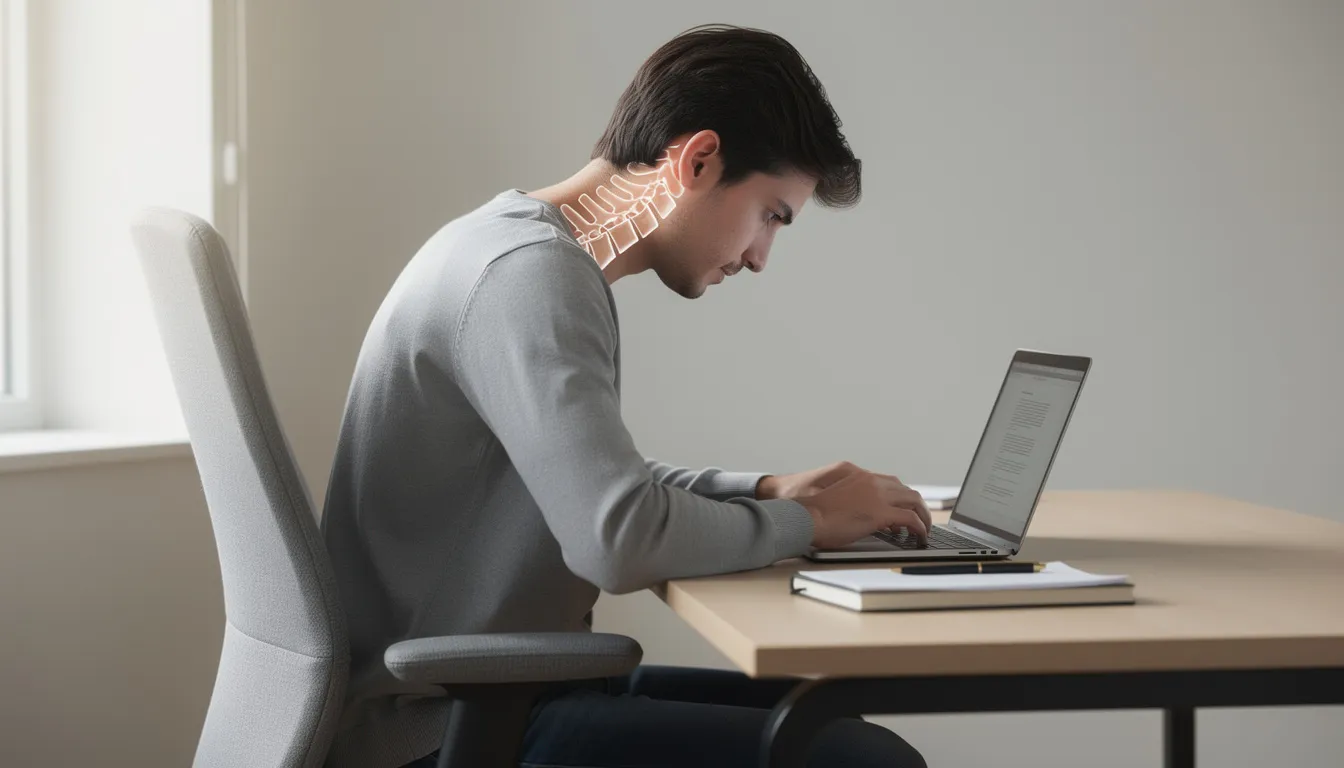
- Muscle strain or tension is the number one cause of neck pain, often from long hours in one position with your head drifted slightly forward. This is extremely common for home office workers, nurses, tech professionals, and anyone doing computer work for hours each day.
- Deconditioned or overworked neck muscles that cannot keep up with daily load. The neck has to hold your head up all day, and if the supporting muscles are weak or fatigued, pain follows.
- Rapid changes in training. Adding more overhead pressing, increasing swim volume, trying a new cycling position, or ramping up lifting too fast can all trigger a flare.
- Previous minor whiplash or sports falls that never fully recovered. That car accident from three years ago or the awkward fall during a game can leave residual tightness and sensitivity.
- Age-related joint and disc changes such as cervical spondylosis, degenerative disc disease, or rheumatoid arthritis are common causes of neck pain in older adults but are often manageable and do not necessarily indicate serious damage.
- Poor sleep setups. Old pillows, sleeping twisted on the couch, or positions that keep your neck cranked to one side for hours.
- Stress and bracing patterns. Clenching your jaw, shrugging your shoulders through a tense workday, or holding your breath during lifts all feed neck muscle tension. Managing emotional stress is important for preventing neck pain, and practices like yoga or Pilates can help reduce neck tension.
- Risk factors such as bad posture, long periods of computer work, and lack of ergonomic furniture increase the likelihood of developing cervicalgia.
Serious causes like infection, fracture, tumor, or spinal cord compression are rare, especially in otherwise healthy active adults. However, sudden onset of severe symptoms, intractable or increasing pain, or pain that disturbs sleep or is unremitting may indicate a serious condition requiring further investigation and urgent medical attention. A physical therapist or medical provider will screen for these during an exam if there is any concern.
Training, Work, and Lifestyle Factors That Keep Neck Pain Going
Sometimes the issue is not just what started the pain but what keeps feeding it week after week.
Working at a laptop on an improvised setup with no real desk is a recipe for sustained neck strain. Your head creeps forward, your shoulders round, and those muscles at the base of your skull work overtime. Long commutes or rides with your head poked toward the windshield add more of the same. High-volume phone use, streaming, or gaming with your head tilted down stacks even more low-grade strain.
Training patterns matter too. If your program is heavy on chest and arms with very little upper back work, the front of your body pulls your posture forward and your neck pays the price. Breathing habits play a role as well. Holding your breath during lifts or shallow breathing into your chest instead of your lower ribs drives tension into the neck and shoulder muscles.
Think of it like doing thousands of small reps in a bad position every week. Each one is minor. The total adds up.
Do This Now: First Steps When Your Neck Is Flared Up
The goal when your neck is angry is not to stop moving completely. That usually makes things stiffer and more sensitive. The goal is to calm pain while keeping things working.
Simple action list:
- “De-threaten” the neck with light, pain-free movement every hour. Gentle nods, small side turns, and shoulder rolls remind your nervous system that movement is safe.
- Modify, do not quit. Cut back temporarily on aggravating exercises like heavy overhead pressing or high-load carries. Swap in less provocative options that let you keep training.
- Take short movement breaks every 30 to 45 minutes of desk work. Stand up, look far away, and move your neck and shoulders for one to two minutes.
- Use heat or ice based on what gives you short-term relief, then move gently. Neither is magic, but both can help as home remedies.
- Check your sleep setup. A single supportive pillow that keeps your neck in a neutral position often makes a noticeable difference.
- Over-the-counter pain relievers can be an option for some people. If you were prescribed a muscle relaxant, follow your clinician’s guidance.
For now, avoid:
- Aggressive stretching into sharp pain.
- Repeated cracking or thrusting your neck yourself. Occasional painless cracking is often harmless, but avoid forcing it, especially into pain.
- Long periods fully still with your neck braced in one position.
It helps to track what positions and times of day feel best or worst. This gives you useful information to share with a physical therapist during an evaluation.
When to See a Pro Sooner (Red Flags to Watch For)
Most cervicalgia is not urgent. But certain signs mean getting checked quickly by a medical provider or ER, not just managing at home.
Reach out promptly if you notice:
- New or quickly worsening numbness, tingling, or weakness in one or both arms or hands.
- Trouble with balance, walking, or using your hands for fine tasks.
- Severe neck pain after a fall, crash, or major impact.
- Fever, chills, or unexplained weight loss along with neck pain.
- Loss of bladder or bowel control, or a major change in those habits.
These are not common, especially in otherwise healthy active adults. But if they show up, the safest move is to get evaluated promptly. A good physical therapist will screen for these during an exam and help coordinate care with physicians if needed.
How Physical Therapy Helps Cervicalgia and Neck Pain
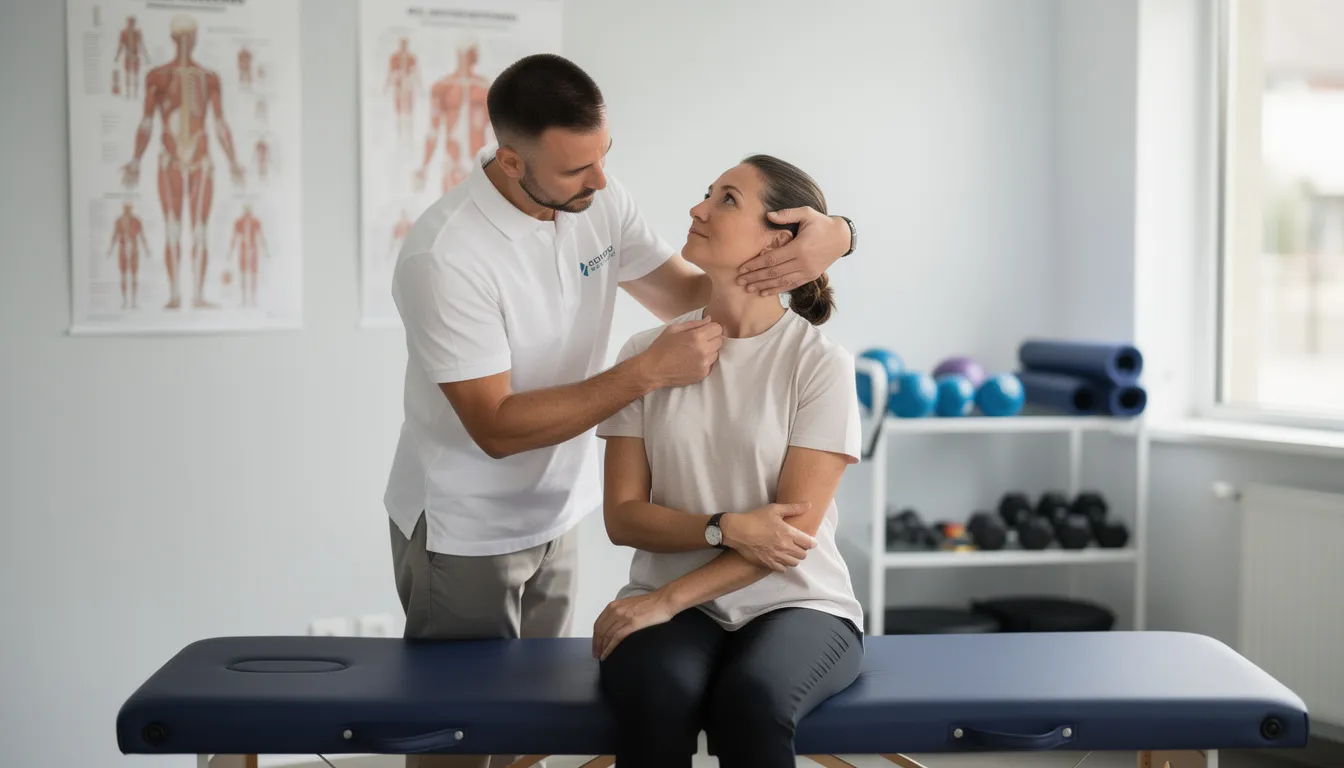
Physical therapy for cervicalgia is about improving how your neck, upper back, and shoulders move and work together. It is not just rubbing the sore spot and sending you home.
What an initial PT visit looks like in a clinic:
The first session usually starts with a detailed conversation about your symptoms, training, work setup, and goals. Whether you want to get back to running, lifting, parenting without wincing, or just surviving long workdays, that context shapes the plan. Then comes a movement screen of your neck, shoulders, and thoracic spine along with some basic strength and control tests. If your symptoms travel into your arm, quick neurological checks help rule out nerve root involvement.
Common PT tools and strategies:
- Targeted manual therapy. This might include joint mobilization, soft tissue work, and nerve glides when appropriate to reduce pain and improve motion. Cervical manipulation might be considered in some cases, but it is usually part of a broader approach that prioritizes active exercises and self-management.
- Exercise progressions. Deep neck flexor work, scapular strength drills, mid back endurance exercises, and postural control work tailored to your specific needs to improve posture and reduce strain.
- Load management. Adjusting your weekly lifting, running, or sport volume to keep you training while letting the neck calm down.
- Ergonomic tweaks. Simple, realistic adjustments to work-from-home setups. Not an expensive equipment list, just practical changes that reduce strain.
Treatment is active and collaborative. The goal is to teach you how to self-manage so you are not dependent on passive care. You leave each session with homework you can actually do.
Self-Care and Training Modifications That Pair Well with PT
Here are practical strategies a PT might give you as homework:
- Daily “movement snacks” of three to five minutes focusing on neck, upper back, and shoulder blade motion. Small doses throughout the day beat one long session.
- Swapping barbell overhead presses with landmine presses or incline pushes temporarily. You keep pressing, just in a less provocative position.
- Building a simple warm-up circuit before lifting or running that includes thoracic rotations and scapular work. This primes the upper body and takes load off the neck.
- Short breathing drills to lower neck tension. Three to five minutes of slow nasal breathing into the lower ribs can settle a locked-up neck surprisingly well.
A word of caution. When symptoms start dropping, resist the urge to jump straight back into full-intensity workouts. A graded ramp-up over a few weeks protects against flare-ups.
Consistency over time matters more than any single magic stretch or exercise. Small daily inputs compound.
Recovery Timeline: How Long Does Cervicalgia Neck Pain Last?
Recovery depends on how long the problem has been around and what is driving it.
Many episodes improve within a few weeks, especially when you stay active and address the triggers. If symptoms persist past a few weeks, recur often, or travel into the arm, that’s a good time to get assessed.
What usually improves first:
- Turning your head becomes easier.
- Pain after sitting or working shortens in duration.
- You need less pain relief from meds, heat, or ice packs.
What tends to take longer:
- Endurance for long days at the computer.
- Heavier overhead lifting or sport-specific demands.
- Confidence that moving your neck will not “make it worse.”
Simple metrics to track progress:
- How far you can turn to check your blind spot without pain.
- How long you can work at your desk before symptoms rise.
- Sleep quality and morning stiffness levels.
The goal is not a “perfect MRI.” It is a neck that lets you move better, sleep better, train with confidence, and participate in your daily routine.
FAQs About Cervicalgia and Neck Pain
These are the questions patients in the clinic ask most often.
Is It Safe to Exercise If My Neck Hurts?
In most cases, yes. Movement is helpful when guided and modified appropriately. Stopping everything often makes stiffness worse. The key is choosing exercises that do not flare symptoms and gradually rebuilding tolerance.
Do I Need an MRI for Neck Pain?
Many people do well without imaging. A physical therapy evaluation and medical exam look at how things function, not just pictures. Imaging becomes more useful when symptoms do not respond to conservative measures or when neurological symptoms are present.
My Neck Cracks a Lot. Is That Bad?
Occasional painless cracking is often harmless, but avoid forcing it, especially into pain. It is usually just gas releasing from the joint, but the exact cause can vary.
Can My Pillow or Sleeping Position Really Cause This?
Spending hours in one twisted position can definitely contribute. Experimenting with a medium-height pillow that keeps your neck in a neutral position is a low-cost change worth trying.
Will This Turn Into Arthritis?
Pain does not automatically mean damage. Plenty of people have age-related joint changes on imaging with zero symptoms. Strong, well-controlled neck muscles often protect joints instead of wearing them out. Movement and strength are protective.
How Many PT Visits Will I Need?
A general range is four to eight visits for many cases, but it depends on how long the problem has been present and your goals. Some people need fewer, some need more. Your therapist will give you a clearer estimate after the first evaluation.
Ready to Move Better? Working with a Neck Pain PT in Boston, MA
Cervicalgia is common in active adults and desk workers, but it usually responds well to a mix of smart movement, strength work, and simple daily changes. You do not have to wait months of trial-and-error if neck pain is limiting your training, family time, or work focus. An evaluation with a physical therapist who understands both pain and performance can help clarify what is driving your specific neck pain and map out a step-by-step plan to help you move better, sleep better, and train with confidence. If you have questions about your neck symptoms or want to see if PT is a good fit, reach out. We are happy to help you figure out the next step.
At Sustain Fitness and Physical Therapy, our experienced team is dedicated to helping you regain your function and quality of life. Contact us today to schedule your personalized evaluation and start your journey toward improved movement and well-being.