A sudden, sharp pull in the back of your lower leg mid-sprint or mid-jump is the classic sign of a calf strain. Calf strain recovery depends heavily on how severe the tear is, but with the right progression most active adults are back to full training within two to eight weeks. Below you'll find what …

A sudden, sharp pull in the back of your lower leg mid-sprint or mid-jump is the classic sign of a calf strain. Calf strain recovery depends heavily on how severe the tear is, but with the right progression most active adults are back to full training within two to eight weeks. Below you’ll find what happens inside the muscle, what each grade means for your timeline, and the exercises that get you back to running and lifting.
How a Calf Muscle Strain Happens and Where the Achilles Tendon Fits In
Your calf is made up of two main muscles working together with the Achilles tendon. The gastrocnemius is the larger, more superficial muscle that crosses both the knee and ankle, which is why it’s more prone to injury during explosive, knee-extended movements like sprinting or jumping. Underneath it sits the soleus muscle, a flatter muscle that only crosses the ankle and takes over more during sustained, bent-knee activity like distance running or hiking. Both muscles taper down into the Achilles tendon, so a strain near that junction can sometimes feel like Achilles pain even when the tear is actually higher up in the muscle belly. This particular calf injury is common enough in racquet sports that it’s sometimes nicknamed “tennis leg.”
Most calf muscle strains happen one of two ways: a sudden eccentric overload, where the muscle is forced to lengthen while under load (a hard push-off, a lunge, a missed step), or chronic overuse from ramping up training volume too quickly without enough recovery between sessions.
Grading Calf Muscle Tears and What It Means for Your Timeline
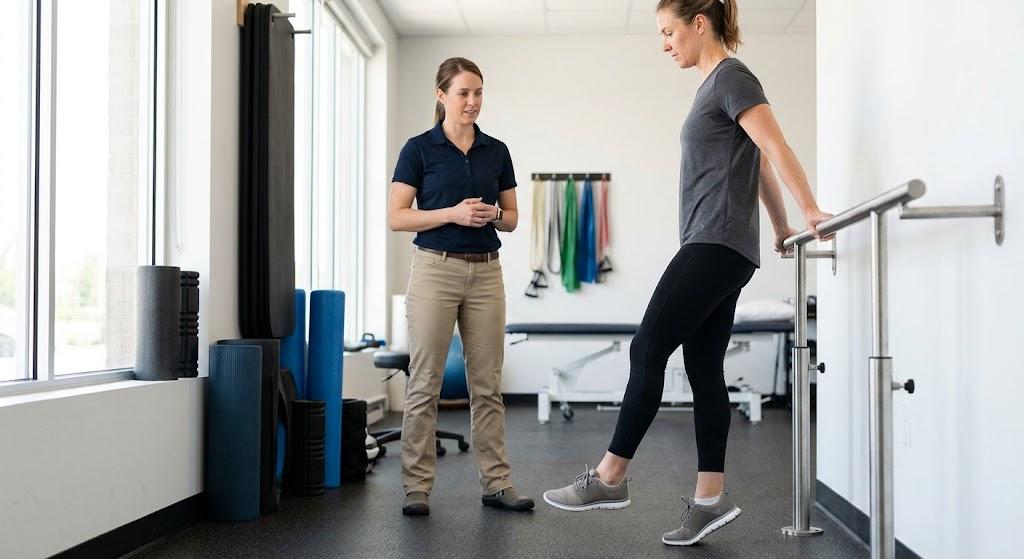
Calf strains are graded on a 1-to-3 scale, and the grade drives almost everything about your recovery plan.
- Grade 1 (mild strain): A small number of muscle fibers are overstretched or micro-torn. Mild discomfort, minimal swelling, and you can usually still walk. Recovery typically runs 1 to 3 weeks.
- Grade 2 (moderate/partial tear): A more significant portion of the muscle fibers are torn. Sharper pain, visible swelling, some bruising, and a limp when walking. Expect 4 to 8 weeks.
- Grade 3 (severe strain or complete rupture): A full tear through the muscle or the muscle-tendon junction. Often a “popping” sensation at the moment of injury, significant swelling, and inability to bear weight normally. Recovery can run 3 months or longer, and severe ruptures occasionally need surgical repair.
Symptoms and When to Get It Checked
Beyond the initial sharp pain, watch for bruising that spreads down toward the ankle over the following days, noticeable weakness when you try to push off the injured leg, and difficulty walking normally on the affected leg. A strained calf muscle often makes plantar flexion (pointing your toes) noticeably painful, which is a useful way to tell a calf injury apart from other lower-leg pain. If you felt or heard a pop at the time of injury, can’t bear weight at all, or the pain and swelling around the injured area are getting worse rather than better after the first few days, it’s worth getting evaluated rather than guessing at the grade yourself. Up to 10% of people with calf-pull symptoms also turn out to have a blood clot, which is part of why providers often rule out deep vein thrombosis before treating it as a simple strain. A physical examination, along with a quick review of your medical history and recent training changes, is usually enough for a provider to diagnose the injury, though an ultrasound or MRI can confirm the extent of the tear when severe pain or the exam alone isn’t conclusive.
The Healing Process and Recovery Timeline
Complete recovery from a calf strain follows a predictable healing process once you know the grade, but even a mild strain can take anywhere from one to several weeks before you can push hard again. Early diagnosis matters because sports medicine providers can flag risk factors for re-injury (like ongoing tightness or incomplete strength) before you return to full training, not just after a setback happens. Reducing swelling early, staying consistent with the strengthening stages below, and not skipping the return-to-run progression are the biggest factors in avoiding a repeat strain in the same spot, since calf strains are among the common injuries that tend to come back once the muscle has been hurt.
Immediate Care for Calf Pulls and Mild Strains
In the first 48 to 72 hours, the priority is calming things down, not stretching or strengthening.
- Relative rest: avoid running or jumping, but gentle walking as tolerated is fine and helps blood flow.
- Ice: 15 to 20 minutes at a time to manage inflammation and pain, especially in the first two days.
- Compression: a compression sleeve or wrap helps control swelling.
- Heel lift: a small heel lift in your shoe reduces tension on the healing muscle during normal walking.
Early Rehabilitation: The First Week
Once the acute pain settles, gentle range-of-motion work keeps the area from getting stiff without stressing the healing tissue. Light, pain-free ankle circles and cautious calf stretching (never pushing into sharp pain) help maintain mobility. Short, frequent walks are better than one long walk. Several 5 to 10 minute walks spread through the day keep blood flow moving without overloading the muscle. Let pain be your guide here: mild tightness is fine, sharp pain means back off.
Progressive Strengthening Exercises
This is where most of calf strain recovery happens: rebuilding strength and tolerance to load in stages.
Seated Heel Raises
Sit in a chair with feet flat on the floor. Lift your heels off the ground, squeezing through the calf, then lower slowly. Because your body weight is reduced through the seated position, this is the gentlest starting point once early pain has settled. Aim for 2 to 3 sets of 15 to 20 reps.
Standing Heel Raises
Once seated raises feel easy and pain-free, progress to standing heel raises with full body weight, holding a wall or chair for balance if needed. Lift up onto your toes, hold briefly, then lower with control. Start double-leg, and only move to single-leg heel raises once double-leg reps are comfortable and strong.
Eccentric Step Heel Raises
Stand on a step with your heels hanging off the edge. Rise up on both feet, shift weight to the injured leg, then lower that heel slowly below the step edge over 3 to 4 seconds. This eccentric-focused loading is what most rehab protocols lean on to rebuild the muscle’s capacity to absorb force, which is exactly what failed at the moment of injury.
Progress load and difficulty gradually. If any exercise brings back sharp pain rather than normal working fatigue, drop back a stage.
Return-to-Run Protocol
Don’t jump straight back into your normal mileage. A walk-run interval progression (for example, alternating 1 minute of jogging with 2 minutes of walking, gradually shifting the ratio) lets you test the muscle under real load without betting the whole session on it. Before progressing to full running, you should be able to do a single-leg calf raise on the injured side with roughly the same strength, height, and control as the uninjured side, and a small hop test on that leg shouldn’t reproduce your original pain. Once running feels solid, ease back into sprinting, jumping, or heavy lifting last, since those are the highest-demand movements and the ones most likely to trigger a repeat strain if you rush them.
When Surgery Is Needed
Surgery is generally reserved for complete Grade 3 ruptures, particularly at the muscle-tendon junction, where conservative treatment alone won’t restore full function. If imaging confirms a complete rupture, an orthopedic surgeon will walk through operative repair options and a structured post-op rehab timeline, which typically runs longer than conservative Grade 2 recovery.
Preventing Calf Strains and Pulls
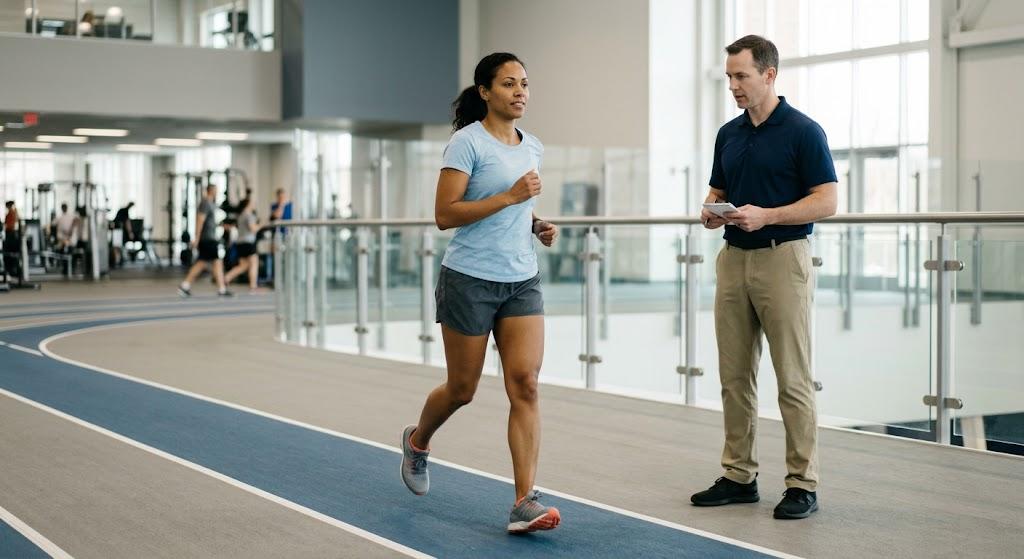
- Warm up dynamically before running or lifting, since cold muscles are far more prone to tearing under sudden load.
- Build calf strengthening into your regular training, not just after an injury.
- Increase training volume and intensity gradually rather than jumping mileage or speed week to week.
- Work on ankle and calf mobility regularly, and use foam rolling to manage tightness before it becomes a limiting factor.
These same principles apply broadly to lifting injuries beyond just the calf, and our guide on how to prevent common weightlifting injuries covers the training-load and warm-up habits that keep the rest of your body healthy too.
If calf and lower-leg strains keep coming back despite doing the right exercises, our team at Sustain Physical Therapy and Performance in Back Bay sees you 1-on-1 for a full 60 minutes with a Doctor of Physical Therapy, works out why the calf keeps giving out, and loads your exercises into an app with video so the plan follows you to the gym or the track.
Most calf strains heal fully with the right staged approach, but recovery timelines vary enough between grades that guessing your own severity is risky. If pain lasts past a few weeks, keeps coming back, or you can’t tell which grade you have, a physical therapist can confirm the diagnosis and set up a plan for your actual injury. Get started with an evaluation and we’ll map out your recovery timeline together.
Frequently Asked Questions
How Do You Heal a Calf Strain Faster?
There’s no real shortcut past the tissue’s own healing timeline, but staying consistent with progressive loading (rather than either total rest or rushing back too soon) gets you back to full activity as fast as the injury allows. Rest ice compression in the first 48-72 hours, followed by staged strengthening, is the most evidence-backed path.
How Can You Tell If a Calf Muscle Is Torn or Just Strained?
A mild strain (Grade 1) usually means aching discomfort you can mostly walk through. A more significant tear (Grade 2 or 3) typically comes with a sharper pain at the moment of injury, visible bruising within a day or two, noticeable weakness, and a limp. If you’re not sure which you’re dealing with, that uncertainty itself is a reason to get it checked rather than guess.
Is It Okay to Walk on a Strained Calf?
Usually yes for mild strains. Gentle, pain-free walking supports healing by keeping blood flow moving. The exception is a suspected Grade 3 rupture, where inability to bear weight normally is itself a warning sign to get evaluated rather than push through.
Does Massage Help a Calf Strain?
Gentle massage or foam rolling can help with tightness and blood flow once the acute inflammatory phase has passed, generally after the first few days. Deep or aggressive massage directly on a fresh, acute tear can aggravate it, so timing matters more than the massage itself.